About
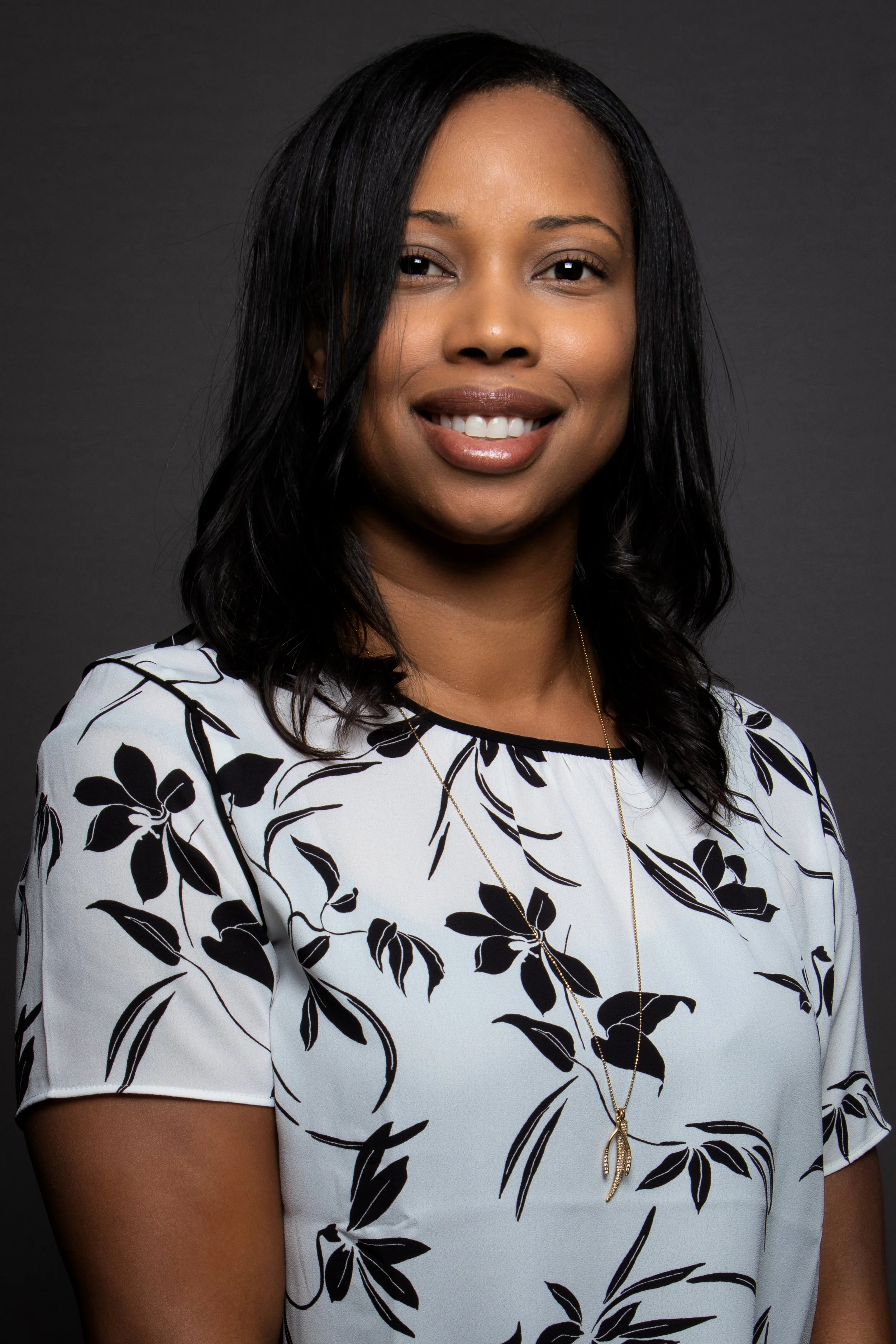
Meet Rosalyn Johnson, MOT, OTR/L
Founder and Occupational Therapist
Participation Pathways was created to help families and teams better understand what children need in order to participate more fully in daily life and learning.
As a dedicated pediatric occupational therapist specializing in Autism, sensory integration, and motor development. I look at the child, the task, the environment, and the everyday routines where support is needed. I focus on practical recommendations that families, educators, and care teams can actually use.
Born in California, I pursued my undergraduate studies at Sacramento State before earning my Masters in Occupational Therapy from Samuel Merritt University. While at SMU, I was a member of Phi Theta Epsilon-Honor Society and the Student Occupational Therapy Association.
I support families and school teams in Sacramento and surrounding communities through pediatric occupational therapy consultation, evaluation, records review, and participation support. Beyond my professional work, I find joy spending time with family, celebrating my children’s achievements, and immersing myself in a good book.
Schedule a Discovery CallProvider Credentials and Licensure
Continuing Education:
- Star Procertification Level 1
- Praxis & Motor Mastery: Decoding Dyspraxia and Apraxia
- Sensory Integration and Praxis Test (SIPT) Certification #4182
- Size Matters Handwriting Program
- DIR Floortime
- Handwriting without Tears
- Pediatric NDT Intensive Handling Techniques
-
USC Chan Sensory Integration CE
Certificate #157 - How Does Your Engine Run
- AEIOU
- PECS Basic Training
- Pediatric Bodywork Workshop
My Approach
Participation Pathways looks at more than isolated skills.
A child’s participation can be shaped by many things: the demands of the activity, the supports available, the physical space, the expectations of the setting, and the child’s sensory-motor, developmental, and functional needs.
My role is to help families and teams understand what is getting in the way and identify practical next steps that can be used in real routines.
What this can look like.
Instead of asking, “How do we get the child to do this?” we slow down and ask better questions:
This approach helps move the conversation away from blame or quick fixes and toward practical supports that fit the child, the activity, and the everyday setting.